
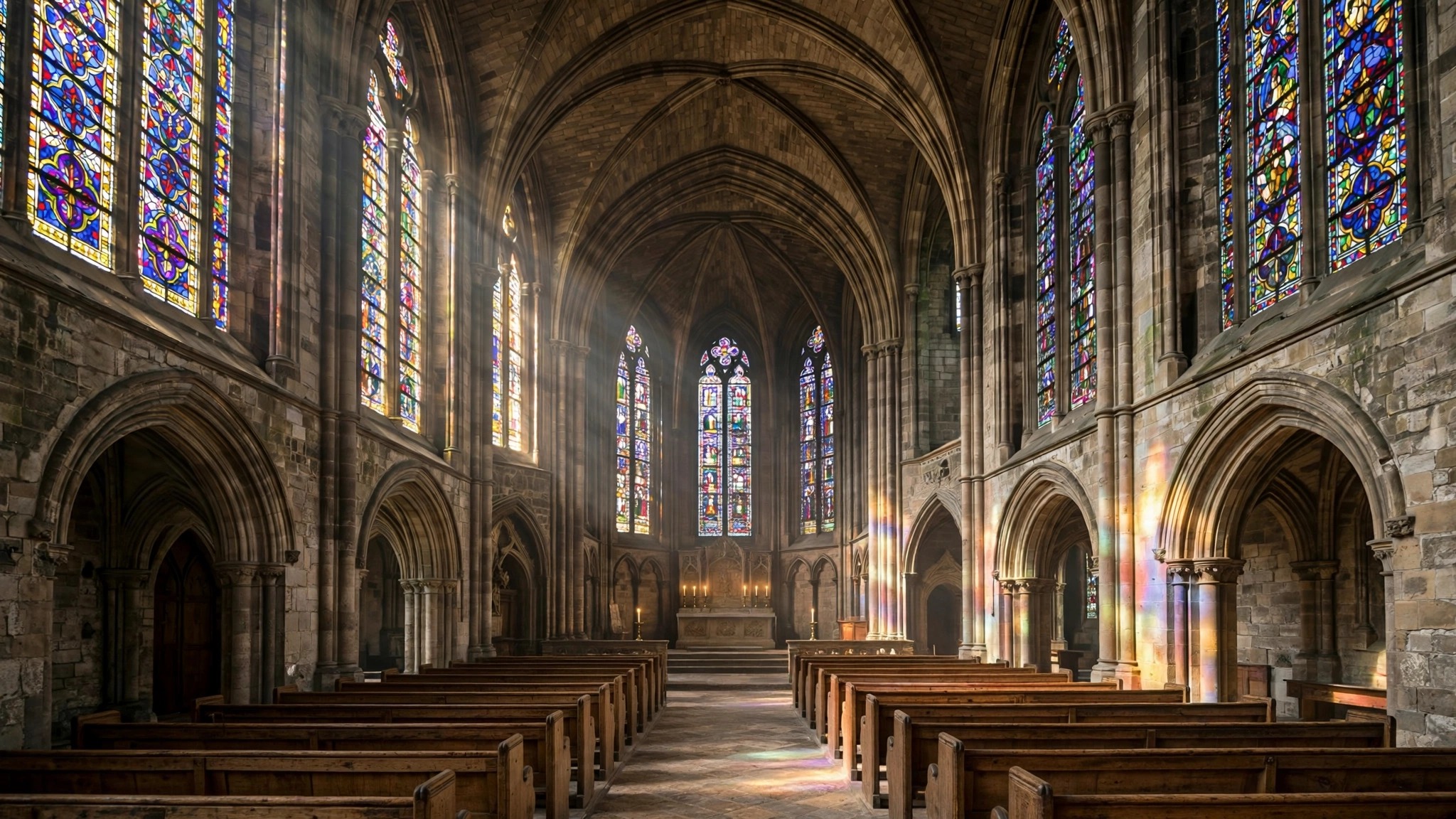
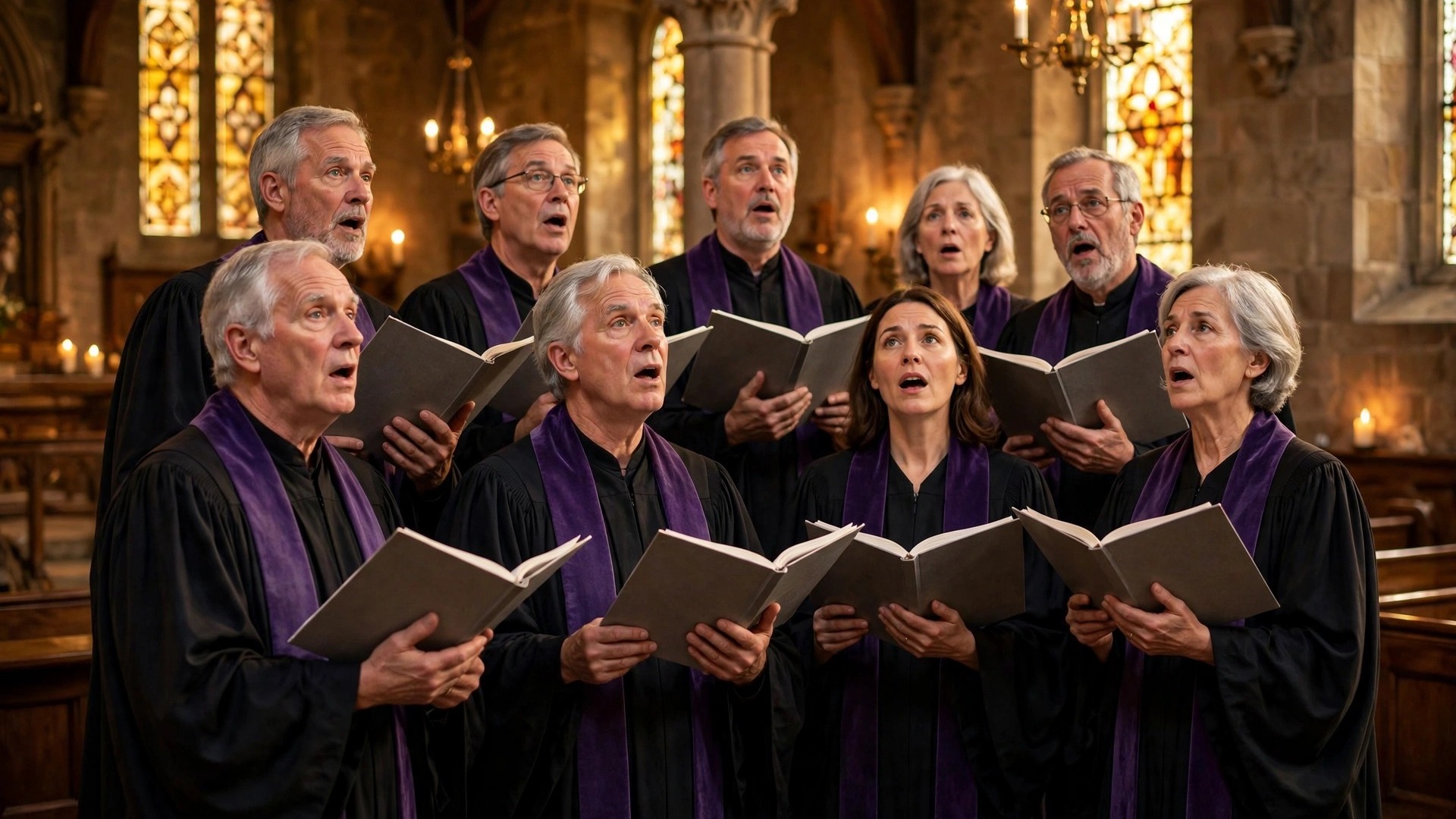
On a Sunday morning, two congregations gather. In Ohio, the bulletin says the congregation worshiped together. In Oxford, the parish newsletter says the congregation worshipped together. Same service, same hymns, same word — and one letter of difference. The Ohio spelling has one P. The Oxford spelling has two. Both are correct. The difference is not meaning. It is geography.
Worshiped and worshipped are the past tense and past participle of the verb worship, meaning to show deep religious devotion, honor, or reverence. The two spellings are a perfect example of the quiet Atlantic split in English — the same language, the same word, two spelling conventions separated by an ocean and by one man’s dictionary.
The Doubling Rule, Plainly
To understand the split, you need the doubling rule — the rule English uses when adding -ed to a verb that ends in a single consonant.
The rule has three conditions. First, the verb ends in a single consonant preceded by a single vowel: stop (o + p), drop (o + p), plan (a + n). Second, the final syllable is stressed: stop, drop, plan are all one syllable, so the stress is on the final syllable by default. Third — and this is the condition that matters here — when both conditions are met, the final consonant doubles before -ed: stopped, dropped, planned.
Now look at worship. It ends in a single consonant, P, preceded by a single vowel, I. So the first condition is met. But the second condition is not. Worship has two syllables — WOR-ship — and the stress falls on the first syllable, not the last. By the standard rule, the P should not double. The spelling should be worshiped, with one P.
And in American English, that is exactly what happens. Worshiped follows the rule. The British spelling, worshipped, breaks it — or rather, follows a different rule, one that doubles the final consonant of certain verbs regardless of stress. British English doubles the final P in worship, the final L in travel (travelled), the final L in label (labelled), and the final L in model (modelled), even when the stress is not on the final syllable. American English, following the standard rule strictly, keeps them single: traveled, labeled, modeled, worshiped.

The Atlantic Split
The split has a name attached to it: Noah Webster. In the early 1800s, Webster published his American Dictionary of the English Language, and he deliberately simplified spellings he considered wasteful. He dropped the U from colour (color), honour (honor), and favour (favor). He changed -re to -er: centre became center, theatre became theater. And he regularized the doubling rule: where British English doubled consonants in unstressed syllables, American English would not.
Webster’s reforms were not just about spelling. They were about identity. A young nation, fresh from independence, wanted a language that was visibly its own. Simplified spelling was a declaration: American English would be rational, efficient, and distinct. The reforms stuck — not all of them, but enough that the Atlantic split became permanent.
British English kept the older, doubled spellings, and it kept them for a reason that is easy to respect: consistency with the larger pattern of doubling. If stopped doubles its P, why should worshipped not double its P? The British answer is that it should. The American answer is that the stress rule decides. Both answers are coherent. They just follow different rules.
The same split runs through a whole family of verbs. American traveled, British travelled. American canceled, British cancelled. American labeled, British labelled. American modeled, British modelled. American worshiped, British worshipped. Learn one pair and you have learned the pattern for all of them.
Worship Beyond the Church
Whatever the spelling, the word’s meaning stretches far beyond religion. To worship is to show deep devotion, honor, or reverence — and humans worship many things that are not gods.
There is hero worship: the intense admiration of a person, often a celebrity, an athlete, or a leader. “The young players worshipped their coach.” There is celebrity worship: the devotion fans show to stars, sometimes to an extreme. “The singer was worshiped by millions.” There is the figurative use in everyday speech: “She worships the ground he walks on” — meaning she adores him completely. And there is the ironic use: “Do not worship your phone” — meaning do not give a device the attention that belongs to people.
The word also appears in the language of courts and institutions. In England, a mayor or a judge may be addressed as “Your Worship” — a formal title of respect. The phrase worshipful means worthy of honor or reverence. These uses are formal and archaic, but they show the word’s range: from the temple to the town hall, from the sacred to the ceremonial.
And then there is the word’s most famous collocation: worship service, worship music, place of worship. In these phrases, the word names the activity itself — the gathering, the singing, the praying. The spelling of the past tense does not change these phrases. A place of worship is the same in Ohio and in Oxford. The split appears only when the verb takes the past tense.
Worshiped in Famous Phrases
The word has echoed through some of the most quoted sentences in English. “Man is the only animal that worships.” “We worship an invisible God.” “Do not worship false idols.” The Ten Commandments forbid the worship of graven images. The Psalms are full of calls to worship. The word is woven into the religious texts of Judaism, Christianity, and Islam, and into the literature of every culture that has a concept of the sacred.
It also appears in the language of skepticism. “Do not worship success.” “Do not worship money.” “Do not worship the past.” In these sentences, the word is doing moral work — warning against giving ultimate devotion to things that do not deserve it. The worshiped object may be wealth, fame, youth, or tradition. The warning is the same: devotion has a proper object, and giving it to the wrong one is a kind of idolatry.
The word’s weight is part of why the spelling matters. Worship is not a casual word. It names one of the deepest human acts — the offering of reverence. Spelling it correctly, in the convention your audience expects, is a small act of respect for the word and for the reader.
Worship in the World’s Religions
The word worship looks the same in every faith, but the act it names takes a different shape in each one. In Islam, worship is ibadah — obedience and devotion to Allah, expressed most visibly in salah, the five daily prayers, and in the pilgrimage to Mecca. The prayers are performed in Arabic, in prescribed postures, at prescribed times, and they are both personal devotion and communal discipline.
In Judaism, worship centers on prayer (tefillah), study of the Torah, and observance of the commandments. The synagogue service is built around communal prayer, the reading of Scripture, and the cantor’s chant. The Sabbath — a day of rest and worship — is itself an act of devotion, a weekly pause that honors creation.
In Hinduism, worship is puja — ritual offering to a deity, performed in temples and in homes, with flowers, incense, food, and song. The offering is both literal and symbolic: the devotee gives to the god, and the god’s blessing returns as prasad, sanctified food shared among worshippers. The act is intimate, sensory, and daily.
In Buddhism, worship takes the form of reverence for the Buddha, the Dharma (teachings), and the Sangha (community) — the Three Jewels. Devotion is expressed through meditation, offerings, chanting, and pilgrimage. The goal is not to please a god but to follow a path: worship as practice, not as petition.
The variety is the point. One English word — worship — covers prayer, offering, meditation, song, pilgrimage, and study. The spelling of its past tense may split across the Atlantic, but the act it names unites every faith: the human impulse to honor what is greater than oneself, in whatever form that greatness takes.
The House Rule
Choosing between worshiped and worshipped is a house-style decision, not a correctness decision. Both are correct. The choice depends on your audience. Writing for an American audience — a US newspaper, a US publisher, a US school — use worshiped. Writing for a British audience — a UK newspaper, a UK publisher, a UK school — use worshipped. Writing for an international audience, pick one and be consistent.
Consistency is the real rule. Mixing the two spellings in one document — worshiped on page one, worshipped on page five — looks careless, even though both forms are correct. The reader notices the inconsistency before they notice the spelling. Pick a convention, follow it through the whole document, and the spelling takes care of itself.
And if you ever forget which is which, remember the congregations. Ohio: one P, worshiped, following the stress rule. Oxford: two P’s, worshipped, following the doubling tradition. Same hymns, same word, one letter of difference — and the letter tells you which side of the Atlantic you are standing on.

That is the split, and it is worth keeping: one P for America, two P’s for Britain, and the same meaning on both shores. The word is the same. The devotion is the same. Only the spelling crosses the Atlantic — and it crosses with one letter in its pocket.










