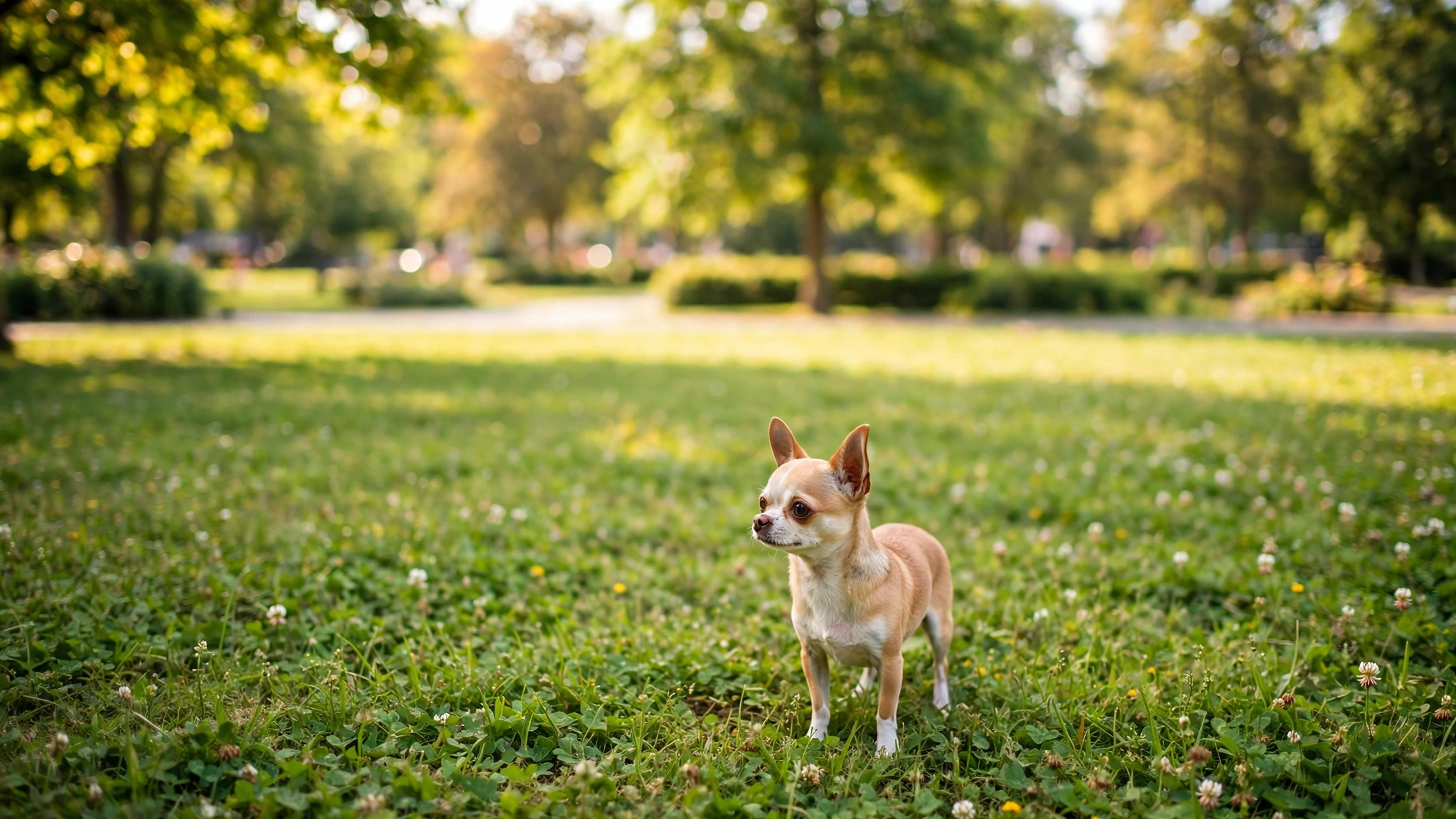
At the dog park last Saturday, a woman called out to her tiny dog and then apologized to me for the spelling. “I can never remember if it has one H or two,” she said. Her dog — four pounds, enormous ears, absolute certainty about everything — trotted over and sat down as if the question had been settled. In a way, it had been, nine letters at a time, for a very long time. The correct spelling is Chihuahua, with two H’s. Chihuaha, with one, is a misspelling. And the reason the word asks you to write H twice is not an English rule at all. It is a piece of another language, carried across centuries, that English agreed to keep exactly as it found it.
A Desert Gave the World a Dog
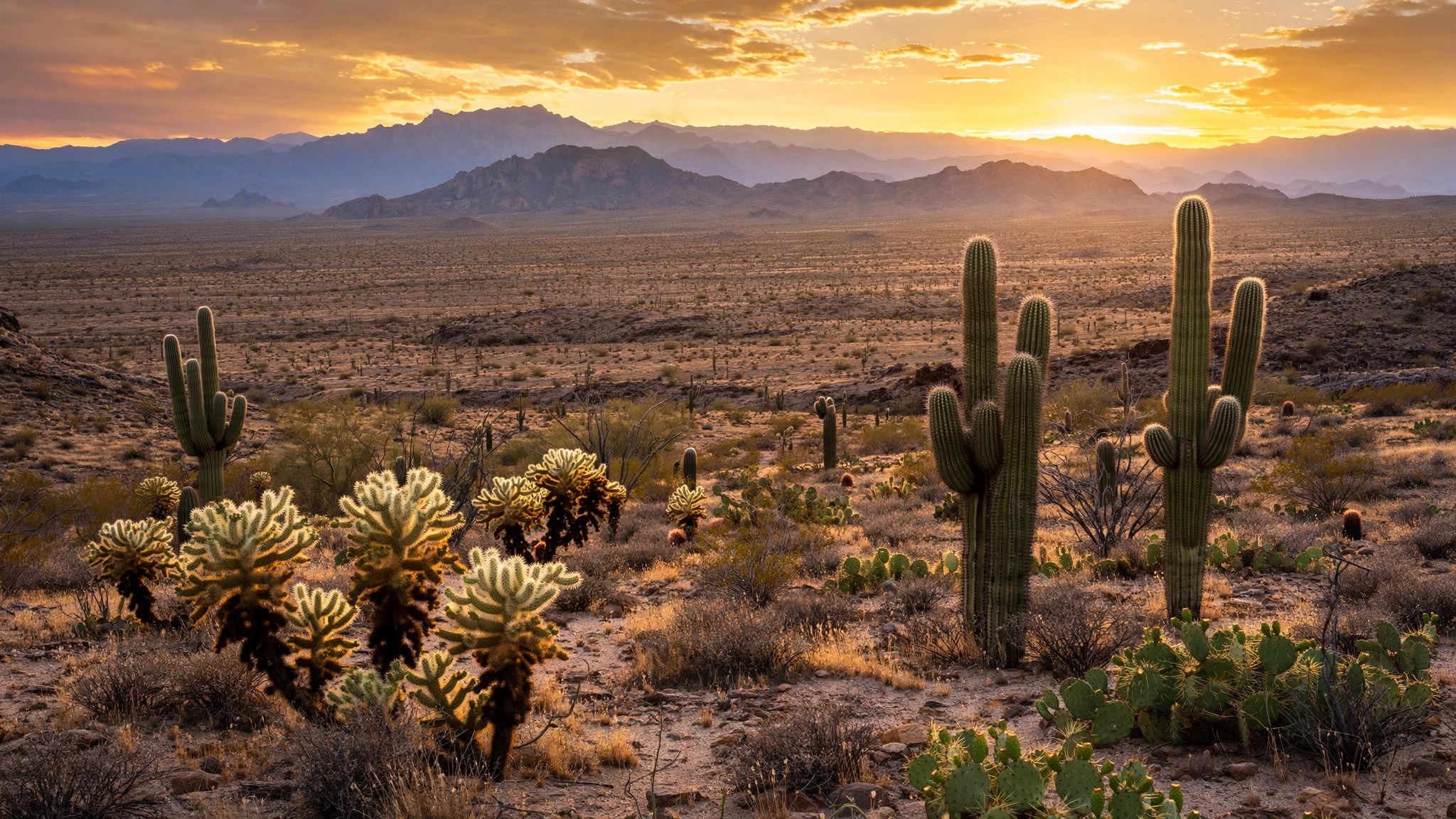
Chihuahua has two main meanings, and they are directly connected. First, the place: Chihuahua is the largest state in Mexico by area, located in the north of the country, and its capital is the city of Chihuahua. The state’s name comes from Nahuatl, the language of the Aztec Empire, roughly meaning “dry and sandy place” — a description of its desert landscape. Chihuahua borders Texas and New Mexico. The state of Chihuahua is famous for its deserts and canyons.
Second, the dog: the Chihuahua is a toy dog breed — the smallest recognized dog breed in the world. It typically weighs between two and six pounds. “Her Chihuahua fits comfortably in a tote bag.” “Chihuahuas are known for loyalty and big personalities.” The dog is named after the place. When nineteenth-century visitors encountered these tiny dogs in the Mexican state of Chihuahua, they called them Chihuahuas — “the dogs from Chihuahua.” Both meanings share one spelling, and both require both H’s.
The name’s exact original phrase is debated, but the “dry place” meaning is the most widely accepted. The name described the land long before it described the dog. So the chain is: Nahuatl description of dry land → name of the Mexican state → name of the dog found there → the breed name used worldwide.
Say It in Three Beats
The standard English pronunciation is chih-WAH-wah — three syllables, stress on the middle. Break it down: chih, like the start of “chin”; WAH, like “water” without the “ter,” and this syllable gets the stress; wah, a softer repeat of the middle syllable. In Mexican Spanish, the pronunciation is similar: chee-WAH-wah, with a slightly different first vowel. English speakers usually say “chih-WAH-wah,” and that is perfectly accepted.
Two tips make the pronunciation teach the spelling. First, stress the middle syllable: chih-WAH-wah, not CHI-hua-hua. Second, let both “hua” syllables sound. If you only say “chih-wah,” you are inviting the chihuaha misspelling. Say each one out loud: “My chih-WAH-wah loves sunny windows.” “The chih-WAH-wah is a Mexican breed.” “Two chih-WAH-wahs played in the yard.” Notice how saying the full three syllables makes the double-HUA spelling feel natural. The H’s are soft — you barely hear them — but you must write them.
The Ancient Ancestor
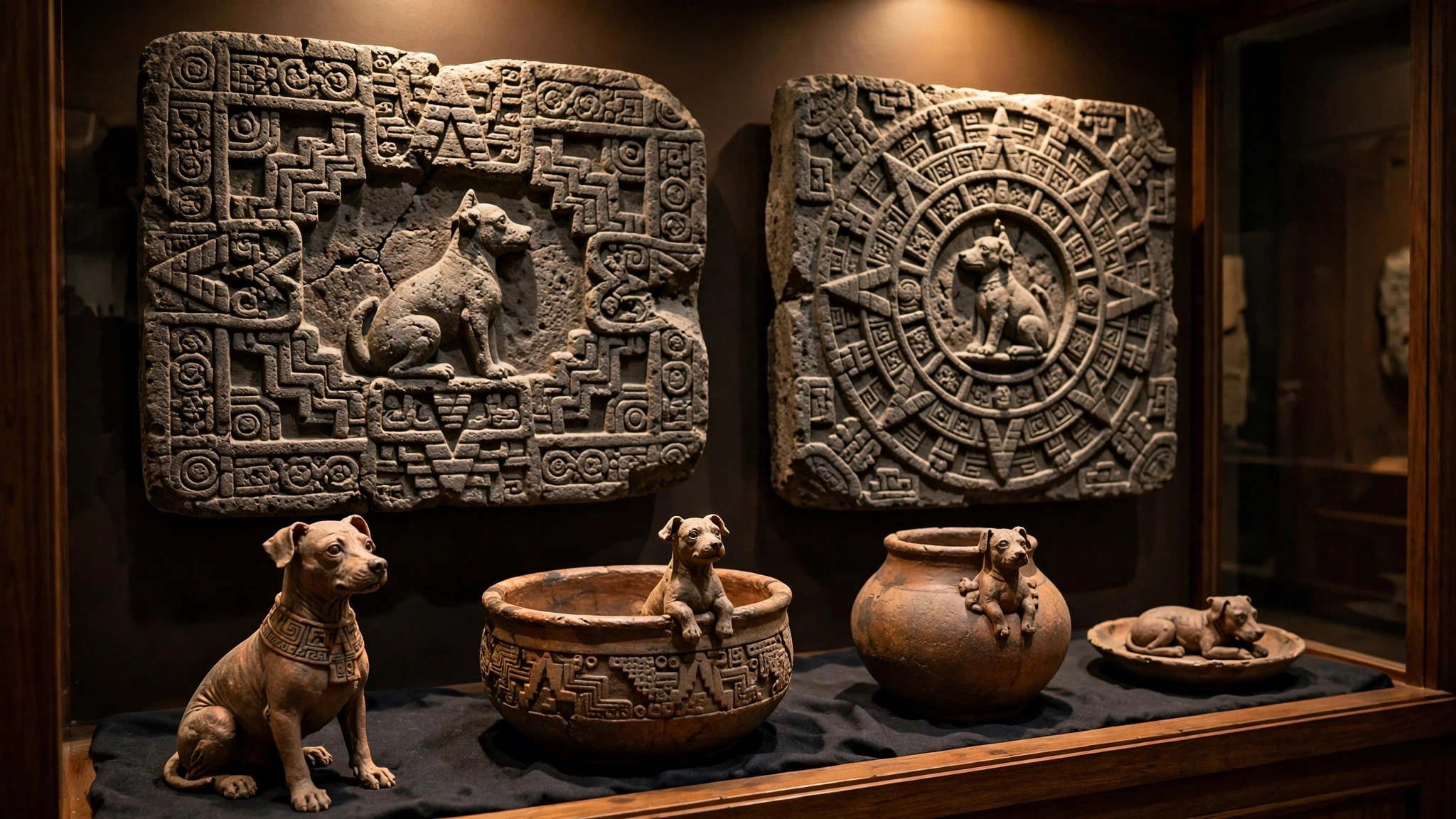
Long before the modern Chihuahua, the Toltec civilization of Mexico (roughly 900–1300 AD) kept small, sturdy companion dogs called Techichi. These dogs were larger than today’s Chihuahuas but clearly related. When the Aztecs rose to power, they continued keeping these small dogs, which appear in their art and burial sites.
In the mid-nineteenth century, American visitors to the Mexican state of Chihuahua encountered tiny, large-eared dogs and brought them north. Early American owners called them “Arizona dogs” or “Texas dogs” before the name “Chihuahua” — after the state — stuck. Breed clubs formed in the early 1900s, and kennel clubs in the United States and Britain recognized the Chihuahua as an official breed. Standards defined two coat types: smooth-coat Chihuahua (short hair) and long-coat Chihuahua (long hair). Both share the same spelling, the same origin, and the same giant personality.
The breed entered the United States in the late nineteenth century and gained formal recognition in the early twentieth century. As the breed’s popularity grew — boosted by films, advertising, and celebrity owners — the spelling “Chihuahua” became fixed in English. The spelling was never anglicized. English kept the Spanish form exactly, double H included. That is why the word looks unusual to English eyes: it is a Nahuatl word wearing Spanish spelling, used in English sentences.
Why English Hands Drop the Second H
Four factors combine to create this particular spelling trap. The first is the double H. English rarely doubles the letter H inside a word. Your spelling instincts expect one H, so your hand writes one H. But Chihuahua needs two: chi-hua-hua. Each “hua” syllable carries its own H.
The second is the sound-to-spelling mismatch. The word is pronounced “chih-WAH-wah.” The H’s are nearly silent in normal speech — you hear “wah-wah” much more clearly than “hua-hua.” Writers who spell by ear drop the quiet letters.
The third is the foreign origin. Chihuahua comes from Nahuatl via Mexican Spanish. It does not follow English spelling patterns at all. English speakers cannot rely on familiar word families the way they can with a word like schedule (school, scholar). There is no English word family to anchor it.
The fourth is typing speed. The letters H, U, and A sit close together in the hand’s muscle memory for this word. Fast typists transpose them: chihuaha, chihauhau, chihauhua. The errors multiply on phone keyboards, where the small keys and aggressive autocorrect create new variants. Chihuaha is the most common wrong version, but it is not the only one. People also write chiuahua, chawawa, chiwawa, and chihauhau. All of them are misspellings of the same correct word: Chihuahua.
Capital C, Always
Yes. Always. Chihuahua is a proper noun in both of its meanings: the Mexican state is a place name, and the dog breed is named after that place. Standard English capitalizes dog breeds that come from proper nouns — place names or people’s names: Chihuahua (Mexican state), Labrador Retriever (Labrador, Canada), German Shepherd (Germany), Yorkshire Terrier (Yorkshire, England), Alaskan Malamute (Alaska), Doberman Pinscher (Louis Dobermann). Breeds with generic names (poodle, beagle, bulldog) are lowercase, but Chihuahua always takes a capital C.
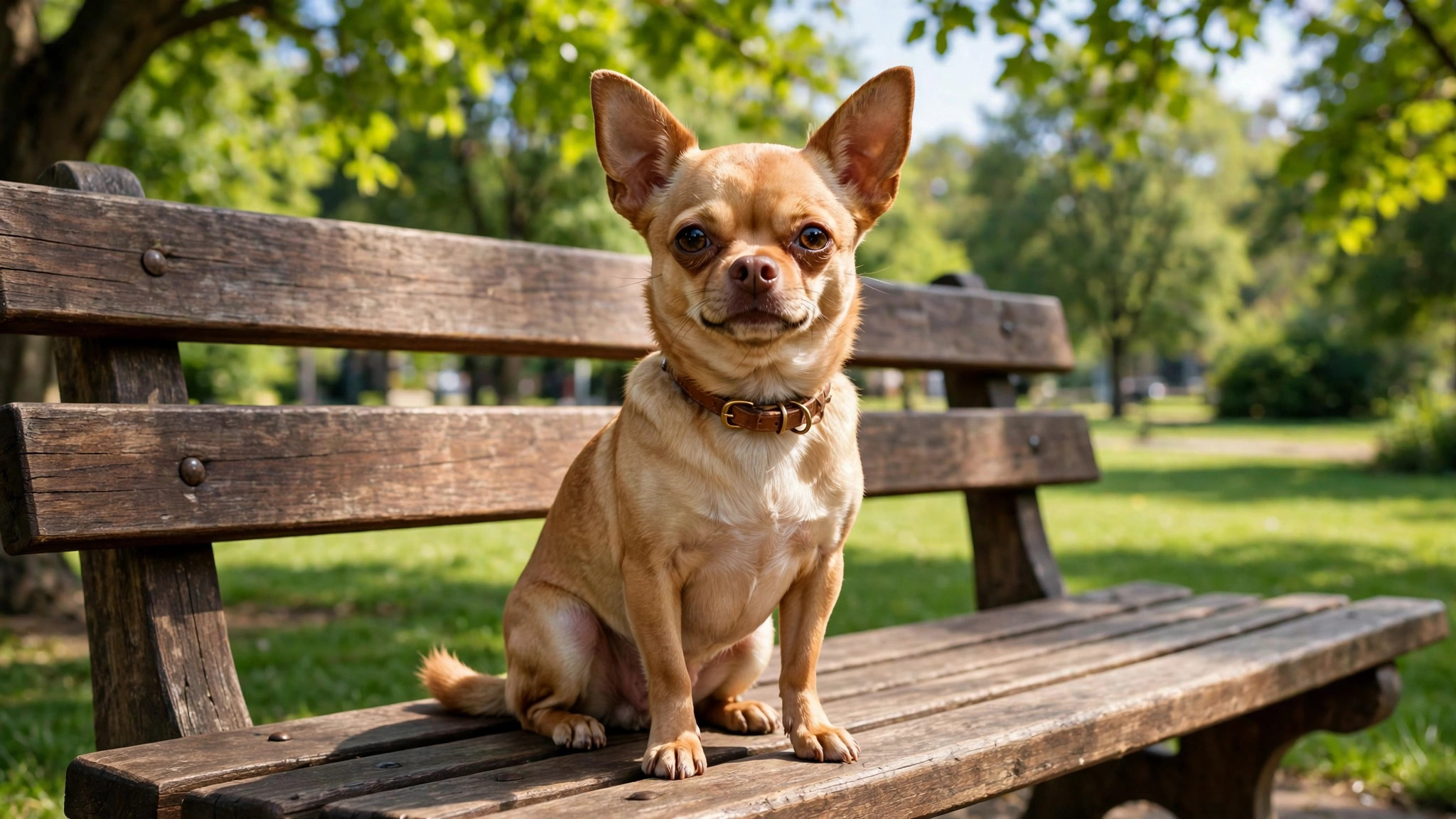
The common mistakes are easy to spot once you know the rule. Incorrect: “I have a chihuahua.” “The chihuahua state is large.” Correct: “I have a Chihuahua.” “The state of Chihuahua is large.” In titles and headings, capitalize it normally: “Caring for Your Chihuahua,” “The History of the Chihuahua Breed.” At the start of a sentence, Chihuahua takes its normal capital C — no change needed. When referring to the breed, Chihuahua behaves like a count noun: singular, a Chihuahua, one Chihuahua, the Chihuahua; plural, Chihuahuas, with a regular -s. “A Chihuahua needs less food than a Labrador.” “She owns two Chihuahuas.” It can also modify another noun directly: Chihuahua puppy, Chihuahua owner, Chihuahua rescue, Chihuahua mix, Chihuahua breeder — and in these phrases it stays capitalized.
Chihuahua on Screen
Few dog breeds have had as much screen time as the Chihuahua, and that fame is part of why the spelling question comes up so often. The breed starred in films, most famously in the 2008 family comedy about a pampered Chihuahua lost in Mexico, and it became a advertising icon in the late 1990s when a fast-talking Chihuahua fronted a national taco campaign. Celebrity owners carried the breed through gossip columns and social media for two decades. Memes followed: the Chihuahua in a sweater, the Chihuahua glaring at a Great Dane, the Chihuahua convinced it is a wolf.
All of that attention had a side effect. Every headline, caption, and hashtag spelled the name, and every misspelling spread with it. Search engines learned to correct chihuaha to Chihuahua, but social media did not. The result is that the most common place to see the wrong spelling is exactly where the breed is most beloved: fan pages, rescue accounts, and pet forums. The fix is the same in every context, from a vet’s chart to a movie poster: chi-hua-hua, two H’s, capital C. The dog’s fame never changed the spelling. It only made the spelling more visible.
Teacup, Apple-Head, and Other Labels
The breed’s fame produced a vocabulary of labels, and they are worth knowing because they show up in ads, shelters, and vet offices. The official varieties are the smooth-coat and long-coat Chihuahuas. Around them, unofficial terms circulate: teacup Chihuahua for very small ones, deer-head Chihuahua and apple-head Chihuahua for head shapes. A note on “teacup”: it is a marketing term, not an official breed classification. Reputable breeders and kennel clubs do not recognize “teacup” as a separate variety. If you use the term, spell it correctly: “teacup Chihuahua” — capital C, double H.
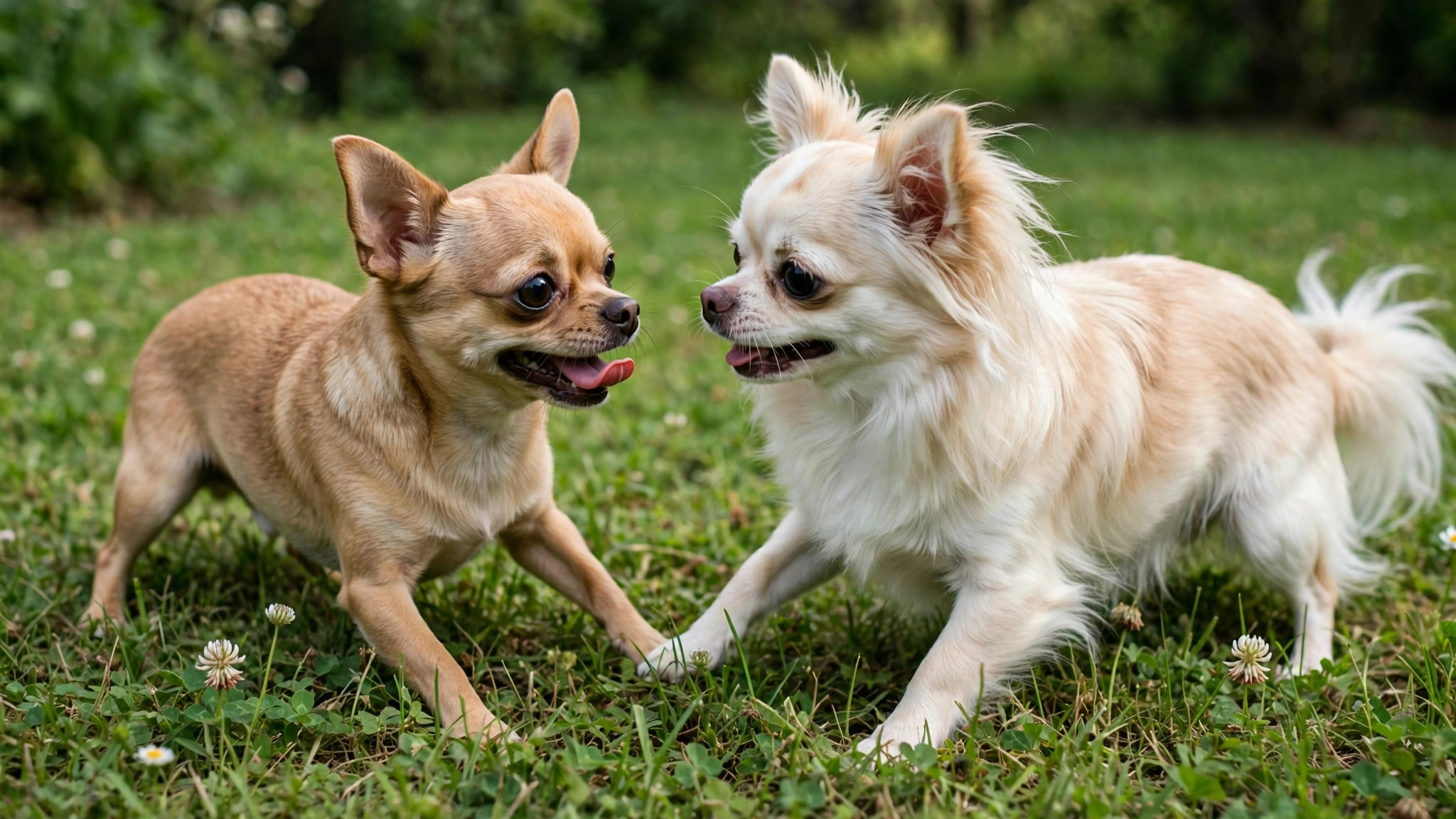
Related words follow the same spelling discipline. Chihuahuan is the adjective form, used mainly for the desert: “the Chihuahuan Desert,” “Chihuahuan raven.” Note the spelling: Chihuahua + n. The double H survives. Chihuahuense is the Spanish demonym for a person from Chihuahua, rare in English but seen in Mexican contexts. And Techichi, the ancient ancestor breed, is useful in breed-history writing: “The modern Chihuahua descends from the Techichi.”
Why does the history matter for spelling? Because the double “hua” is not an accident. It reflects the word’s structure in its original language. Each “hua” is a real syllable with its own H. When you write Chihuahua, you are preserving a piece of Nahuatl — not following English spelling rules, because English spelling rules never applied here. So the next time the woman at the dog park asks: say it slowly — chi-hua-hua. The HUA appears twice. Write it twice. The dog, four pounds of certainty, already knows.










